The Bodega Boys
Inside the world of the NYC bodega through the lens of photographer Mahka Eslami

In New York, your local bodega is part of the fabric of the neighborhood—a place that serves the food, drink, household supplies, and other needs of the community, at all hours of the day.
NYC’s Department of Health classifies a bodega as any store under 300 square meters that sells milk, meat, or eggs, but is not a specialty store (like a bakery, butcher, or chocolate shop) and doesn’t have more than two cash registers.
What’s incredible is that they continue to thrive despite the rise of delivery services and online giants offering practically instantaneous delivery.
“Bodega” means “wine cellar/warehouse,” and they emerged in New York with the influx of Cuban and Puerto Rican immigrants in the early 1900s. They originally would sell items from the islands that were hard to find in grocery stores—like dried cod, plantains, green banana cakes, and tripe.
As the nationality of the owners evolved, the items sold changed to reflect this. Mexican-owned bodegas emerged in the 1980s as bodegas/taquerías and sold tacos, while Dominican-owned ones, also emerging in the 1980s, sell mofongo (mashed plantains, rice, and beans), chicken chicharrones, frituras, and fried cheese.
Because of the origins and the name, we might believe that bodegas are always owned by Hispanics, but that’s not always the case.
In recent years, Yemenis have emerged as bodega owners.
This started in the 1960s when they were fleeing unrest in their country and came to work in the US in factories and farms. But back in Yemen, they had owned businesses and realized they could make more money doing the same in the US.
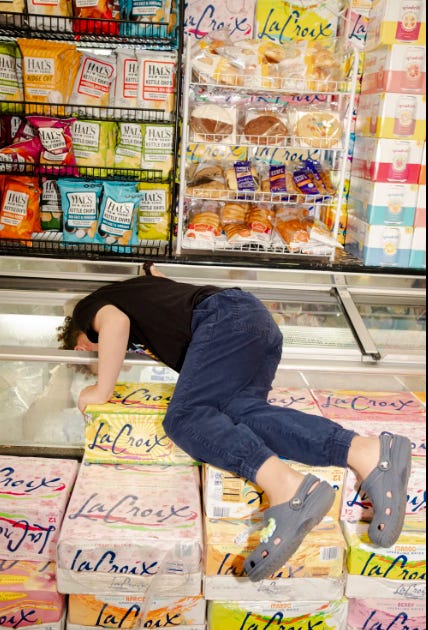
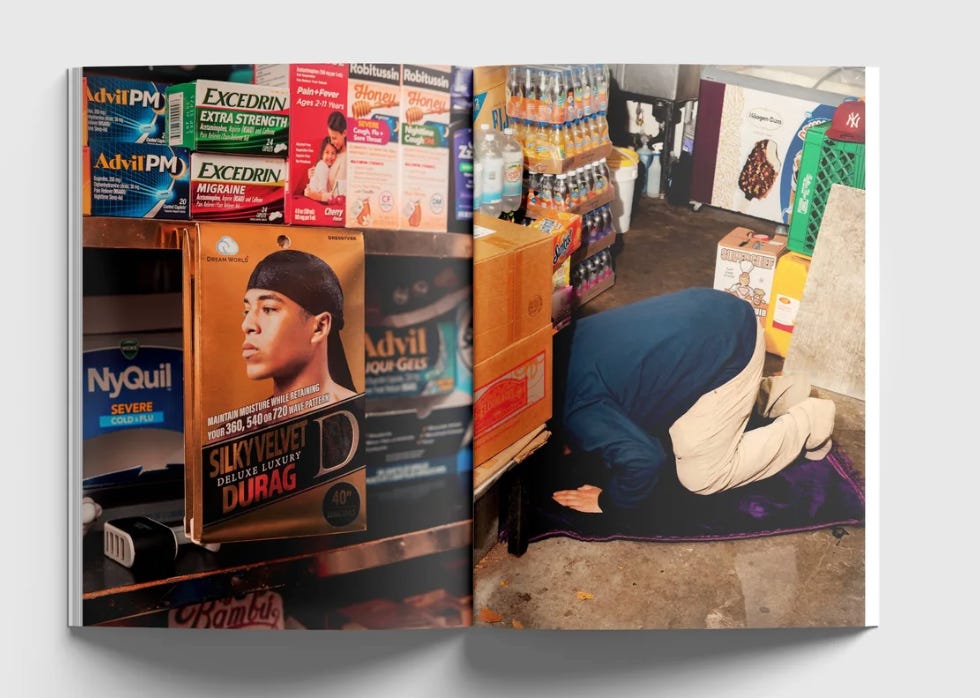
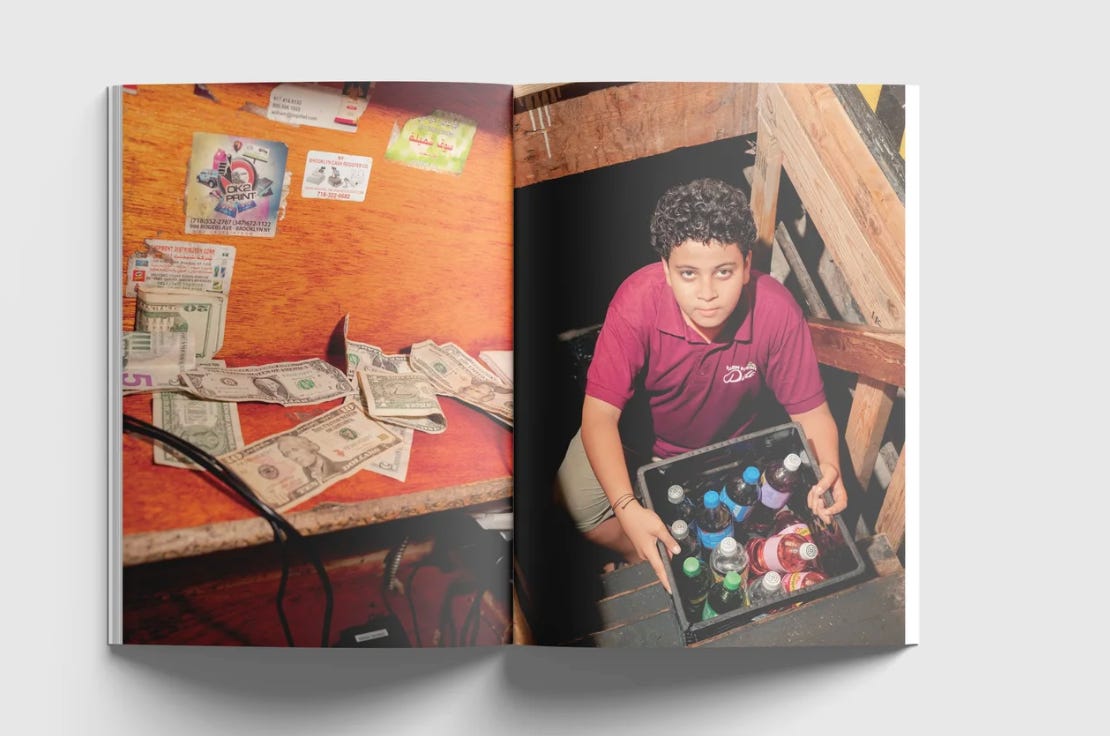
Today, roughly half of all NYC bodegas are Yemeni-owned, and they are the subject of a new book, “Bodega Boys,” by photographer Mahka Eslami.
She takes us into the world of Yemeni-owned bodegas, where the men of the family—together with friends of all ages, from grandfathers to teenage grandsons—help run and manage the stores.
It shows owners and their families battling the challenges of exile from a civil war while pursuing the American dream.
The book can be purchased here.
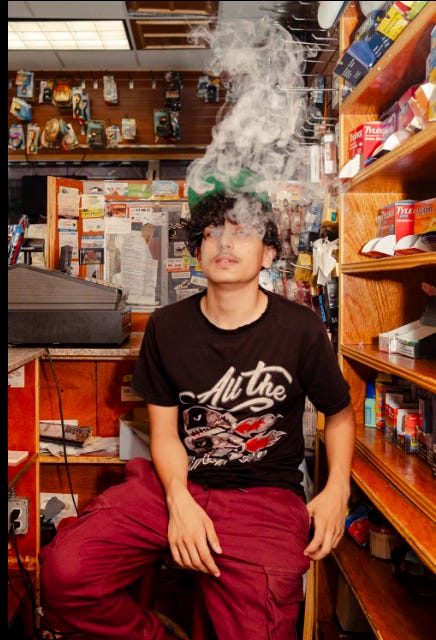
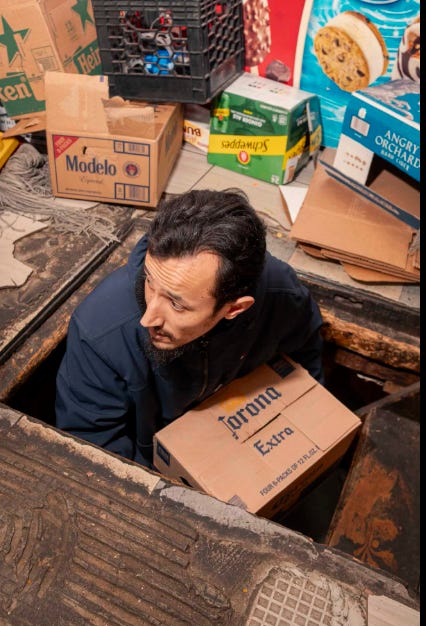
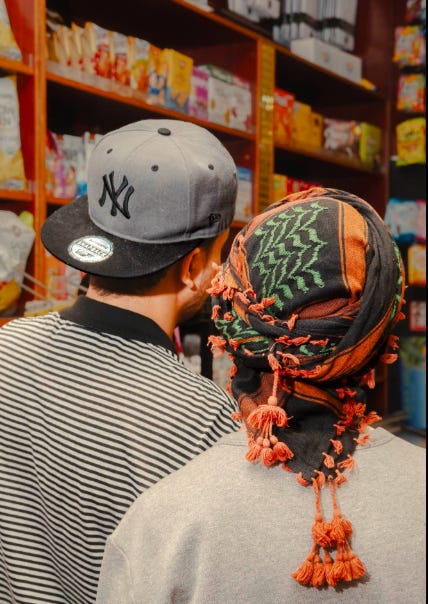
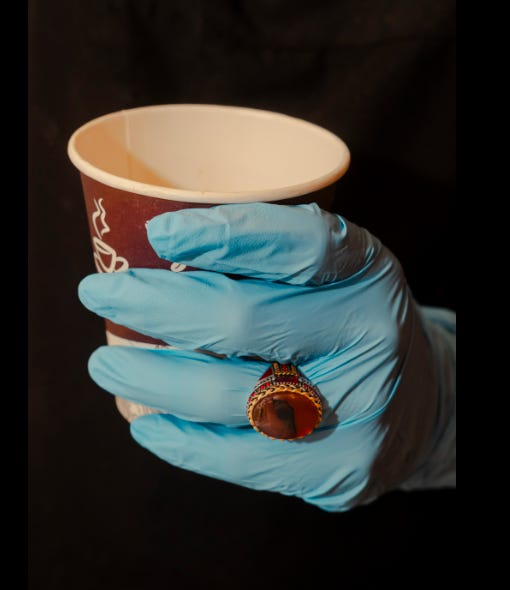
Below is a selection of the images from the book.